Blog / Compliance
Freight Documentation Compliance: The Errors That Actually Delay Shipments
By Smart Freight CRM Team · Jul 18, 2026 · 4 min read
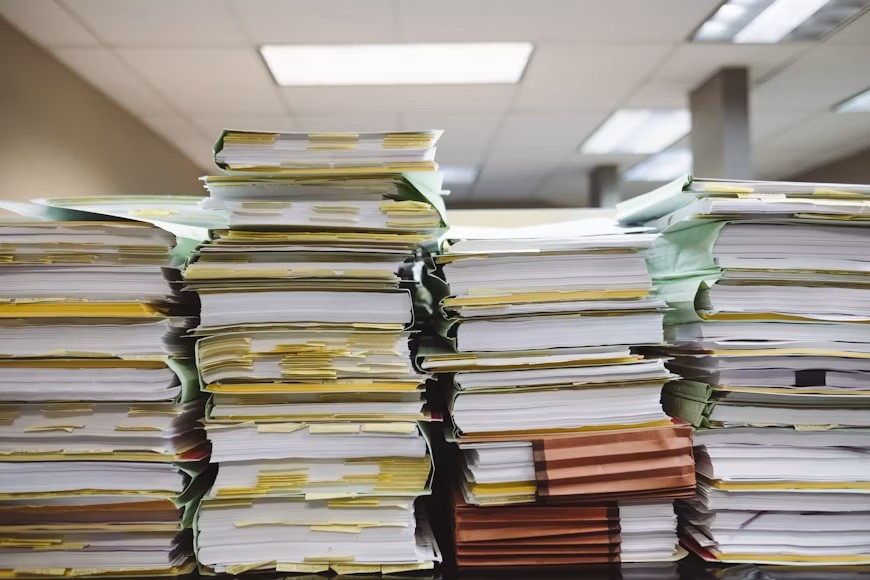
Most compliance holds don't come from a forwarder misunderstanding the rules. They come from a commercial invoice, packing list, and bill of lading that don't quite agree with each other, because each one was filled in separately by a different person at a different time.
Where mismatches usually start
Values, weights, and quantities that look close enough on each document individually can still fail a customs check when compared side by side. The gap is rarely intentional, it's just what happens when the same shipment gets described three times in three different places.
HS code accuracy is worth double-checking every time
Copying an HS code from a similar past shipment saves time, but it's one of the most common sources of delay when the goods differ even slightly from that earlier shipment. A code that was correct for one booking isn't automatically correct for the next one.
Certificates and origin documentation
Missing or mismatched certificates of origin, especially on shipments claiming preferential treatment under a trade agreement, are a frequent hold-up point. These are worth confirming before departure, not after a customs query arrives.
Why a single shipment record reduces these errors
When invoice, packing, and shipment details are pulled from one record instead of typed into three separate documents, there's simply less room for the numbers to drift apart. It doesn't remove the need for a human check, but it narrows what that check actually has to catch.
The goal isn't perfect paperwork on the first try, it's catching mismatches before they leave your desk instead of after they reach a customs officer's.




About Us
Contact Us
- 5th Floor, iSprout Business Centre, SM Towers, No. 2/88, OMR, Seevaram, Perungudi, Chennai, Tamil Nadu 600 096.
© 2026 Smart Freight CRM
Made with love by TOXUM